
Biodiesel Fuel Basics
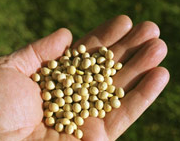
Biodiesel is a renewable, biodegradable fuel manufactured domestically from vegetable oils, animal fats, or recycled restaurant grease. Biodiesel meets both the biomass-based diesel and overall advanced biofuel requirement of the Renewable Fuel Standard. Renewable diesel is distinct from biodiesel.
Biodiesel is a liquid fuel often referred to as B100, pure, or neat biodiesel in its unblended form. Like petroleum diesel, biodiesel is used to fuel compression-ignition engines. See the table below for biodiesel's physical characteristics.
Biodiesel performance in cold weather depends on the blend of biodiesel, the feedstock, and the petroleum diesel characteristics. In general, blends with smaller percentages of biodiesel perform better in cold temperatures. Typically, No. 2 diesel and B5 (up to 5% biodiesel) perform about the same in cold weather. Both biodiesel and No. 2 diesel have some compounds that crystallize in very cold temperatures. In winter weather, fuel blenders and suppliers combat crystallization by adding a cold flow improver. For the best cold weather performance, users should work with their fuel provider to ensure the blend is appropriate.
| Specific gravity | 0.88 |
|---|---|
| Kinematic viscosity at 40°C, mm2/s | 1.9 to 6.0 |
| Cetane number | 47 |
| Lower heating value, Btu/gal | ˜119,550 |
| Density, lb/gal at 15.5°C | 7.3 |
| Carbon, wt% | 77 |
| Hydrogen, wt% | 12 |
| Oxygen, by dif. wt% | 11 |
| Boiling point, °C | 330-357 |
| Flash point, °C | 130 |
| Sulfur, % mass (ppm) | 0.0015-0.05 |
| Cloud point, °C | -3 to 15 |
| Pour point, °C | -5 to 10 |
Source: Biodiesel Handling and Use Guide
 Maps & Data
 Case Studies
 Publications
 Tools
Tools