Idle Reduction Equipment for Heavy-Duty Trucks
The most common way to reduce idling for heavy-duty trucks is to install equipment that provides services, such as HVAC, that are otherwise powered by engine idling. A less common approach is the use of truck stop electrification (TSE), also called electrified parking spaces. With TSE, a trucker accesses electricity for HVAC and perhaps other services from a pedestal located at truck stops or truck terminals. TSE, however, is not widely available.
Auxiliary Power Units
Auxiliary power units are vehicle-mounted systems (either from the original equipment manufacturer or purchased aftermarket) that provide engine-off power for climate control and electrical devices in trucks, locomotives, and marine vehicles. While these systems may be powered by diesel fuel, some run on electricity or other alternative fuels. Sometimes solar power is used to supplement other power sources.
Cab or Bunk Heaters
Cab or bunk heaters, usually diesel-fired, supply warm air to the cab or bunk. An engine block heater to eliminate "warm up" idling can also be included. Diesel heaters use only small amounts of fuel compared to running the vehicle engine. Natural gas-fired heaters are also available. Cab or bunk heaters can be coupled with air conditioners if the truck's service area includes both cold winters and hot summers.
Coolant Heaters
Coolant heaters use the truck's integrated heat-transfer system. The heater is mounted in the engine compartment, draws fuel from the fuel tank to heat the vehicle's coolant, and pumps the heated coolant through the engine, radiator, and heater box. Coolant heaters keep the engine warm, reducing the impact of cold starts and the need for "warm-up" idling.
Energy Recovery Systems
Energy recovery systems use the vehicle's heat-transfer system, much like a coolant heater. A very small electric pump is connected to the water line, which keeps the truck's cooling system and heater operating after the engine is turned off, using engine heat that would otherwise dissipate. Energy recovery systems, however, typically do not provide enough warmth to be a sole source of overnight heat.
Storage Air Conditioners
Thermal storage and battery-electric air conditioners (storage cooling) derive energy to recharge the device from the truck's engine during operation or from plugging in to external power sources at truck stops. For on-road recharging, the engine uses a small quantity of extra diesel. The emissions from burning this fuel are controlled by the engine's emissions control system and occur on the highway rather than at the truck stop or depot.
Automatic Engine Stop-Start Controls
Automatic engine stop-start systems keep the sleeper bunk temperature within a preset range. When sensors detect that the temperature is out of range, the engine is automatically turned on to run climate control for a set period. Similar controls can also keep locomotive engines warm. This technology reduces but does not eliminate idling, and fuel savings may be minimal in extreme temperatures. The extra starts may also disturb the driver's sleep.
Truck Stop Electrification
TSE, sometimes called shore power, electric standby, or electrified parking spaces, is the use of off-board power to support truck drivers’ rest-period needs. TSE provides power for a truck’s auxiliary electric HVAC system and accessories. Some installations also provide power for electric transport refrigeration units (TRUs). TSE installations are available at a limited number of truck stops and fleet terminals.
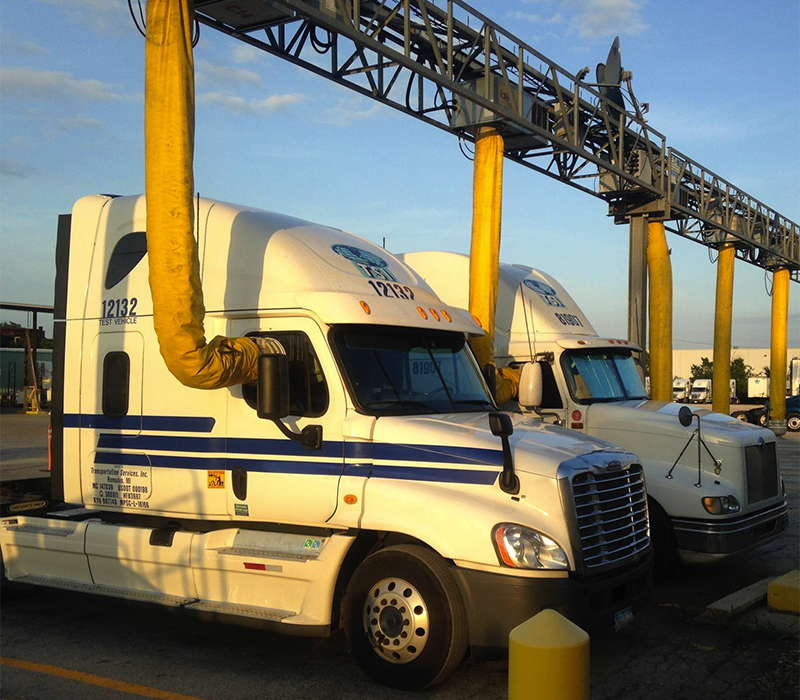
Another TSE system used at a small number of truck terminals involves ducts that deliver warmed or cooled air directly to the truck via a pedestal-mounted duct. These installations may also provide electricity and amenities such as internet access. This form of TSE is increasingly rare.
More Information
The U.S. Environmental Protection Agency’s (EPA) Diesel Emissions Reduction Act (DERA) Program provides financial support for some idle reduction projects at both the national and state levels. The program includes grants and rebates funded under DERA. EPA's SmartWay program offers a list of Verified Idle Reduction Technologies.